The smart Trick of Tru-diamonds That Nobody is Discussing
Some Known Questions About Tru-diamonds.
The same carat weight dimension can look larger or smaller depending on the cut and setup. Look for brands that offer outstanding worth and affordability.
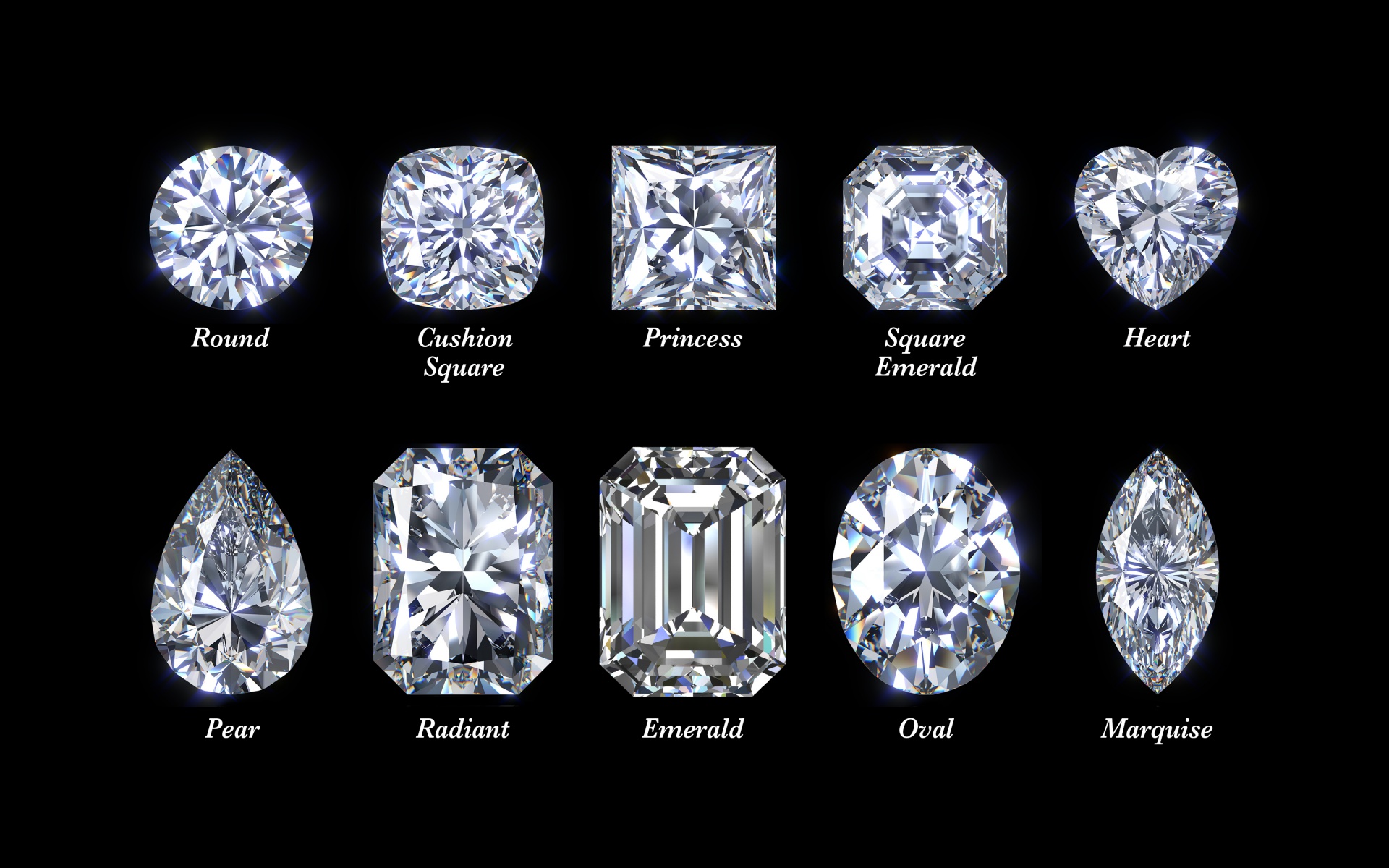
They include: Cut: How well the ruby shows light. Shade: The less shade, the better. Clarity: Fewer imperfections imply more shimmer. Carat weight Size: The weight of the ruby. The cut of a diamond impacts just how much it shines. A well-cut lab-grown diamond reflects more light and looks sensational. Exceptional or Perfect Cut for the finest luster.
You do not require to spend too much to obtain a beautiful diamond. Lots of lab-grown diamonds supply excellent worth compared to all-natural diamonds.
Some Known Questions About Tru-diamonds.
Some vendors may use lower-quality rocks without proper certification. Guarantees diamond quality and credibility. Verifies the chemical structure matches a real diamond. Relied on labs include GIA and IGI. You can get lab-grown diamonds either online or in a physical shop. Both options have advantages and disadvantages. Online Shopping: More selections in jewellery collections.
In-Store Buying: See the diamond ring, jewelry, or locket in person. Obtain expert guidance on ruby top quality. Do you want a distinct involvement ring or an unique diamond arm band?
Usage funding planssome shops provide 0% rate of interest if you pay in installments. Evaluations help you discover concerning diamond quality, consumer solution, and general experience.
Lab-grown diamonds have the very same shimmer, clarity, and high quality as all-natural diamonds. They are made using the very same chemical structure and are optically the same.
The smart Trick of Tru-diamonds That Nobody is Discussing
Lab-grown rubies set you back 30-40% much less than natural ones. Several all-natural diamonds come from extracted sources that might entail unjust labor. Lab-grown diamonds are conflict-free and fairly sourced.
No land damage. Lowered carbon footprint. Due to the fact that they are made in a controlled setup, lab-grown rubies often have better clearness than extracted ones. Less problems. Better light representation for added glimmer. Lots of brands currently offer trade-ins and resale choices for lab-grown rubies. This makes them an economical investment. More inexpensive upfront.
< From nitrogen to boron, the category of diamond types describes the hidden scientific research behind a diamond's color and credibility. Those 4 features explain how a diamond looks and aid establish its value.
That system is called ruby keying. Ruby inputting can seem technological, however the principle is remarkably straightforward. According to the Gemological Institute of America (GIA), ruby type classifies diamonds based on their chemical make-up and atomic framework. More especially, the existence or lack of micronutrient such as nitrogen or boron.
The Ultimate Guide To Tru-diamonds
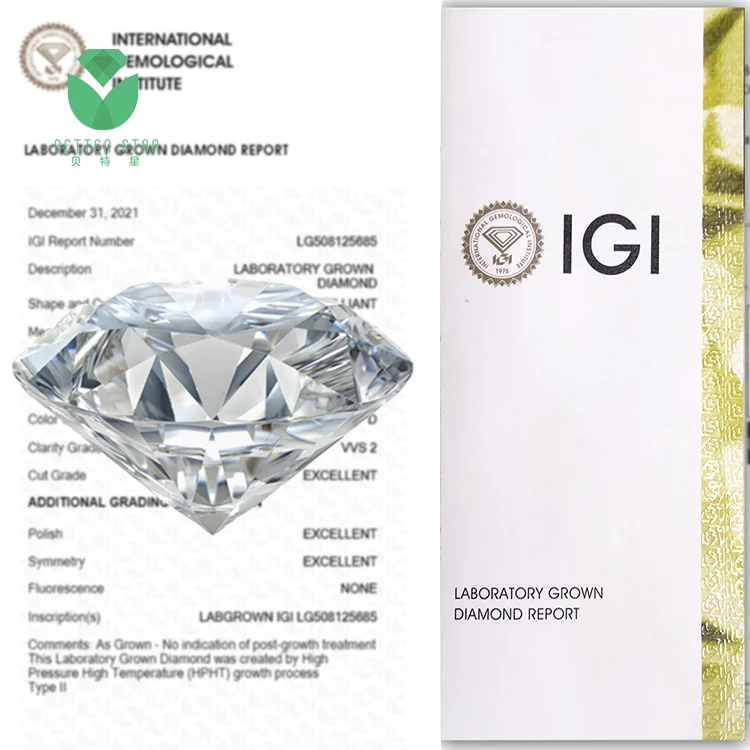
Yes! They look the very same. Prior to October 2025 Lab Grown and Natural Diamonds utilized specifically the same grading system and we describe the main qualities of both by using the well known terminology of covered below. In 2025 the GIA revealed that from October 2025 they would certainly no much longer quality Lab Grown rubies using the very same 4Cs system as All-natural.
For even more up to day details please browse through each of the web links above. If you're looking at two rated rubies that have the very same grading (eg.
Rubies over a specific size are commonly readily available with a certificate that details every detail of the diamond being purchased by the client. Both choices are available to give confidence to our customers - artificial diamond. Whilst we promote that real ruby is an All-natural Diamond from the earth, we would certainly be crazy to neglect the different found in Artificial Laboratory Expanded rubies specifically as clients act now end up being more conscious of them and are coming to be much more willful regarding acquiring them
The Definitive Guide to Tru-diamonds
Transparency in our industry is of critical importance and so we feel it is only right to discuss a few of the combined messaging that is available on this topic. An Artificial Laboratory Expanded Diamond is considerably less costly than a Natural Mined Ruby. All-natural rubies have a limited supply whereas research laboratories can produce an unlimited supply of the other which proceeds to drive prices downwards.
As a consumer, you need to not check out a Lab Grown Diamond as a financial investment as you are not likely to see much, if any kind of return for your money on the diamond in the future, though the rare-earth elements will likely have worth. artificial diamond. A Natural Ruby on the other hand could have some future worth (though do not expect to recuperate what you paid unless a rarer diamond somehow), and somehow retains something unique having been formed in the planet instead of over ground in a factory someplace
Because the United Nations tipped in and the international ruby market and federal governments collaborated to introduce the Kimberley Refine in 2003, points have actually been even more regulated. To say that Natural Diamonds are poor and Laboratory Grown stones are extra honest is not really accurate as a covering declaration if all aspects are considered.Rubies are one of the most useful - and beloved - gemstones in the world, so probably it is not a surprise people have actually tried to reproduce or imitate this extraordinary gemstone. It can be hard to inform a genuine ruby from a phony one, especially to the untrained and nude eye.