Synthetic Diamond Rings for Sustainable Style
Why Lab-Grown Diamond Rings Are Increasing in Popularity Within the Jewelry Market
Synthetic diamond rings are increasingly becoming a preferred choice among consumers in the jewelry market. Their responsible origins and budget-friendly nature connect with an increasing amount of customers. What's more, improvements in manufacturing techniques have diminished the distinctions between lab-made and naturally occurring diamonds. With growing consciousness about the ecological footprint of extracted diamonds, interest in these lab-created options keeps increasing. What considerations are propelling this transition in customer choices?
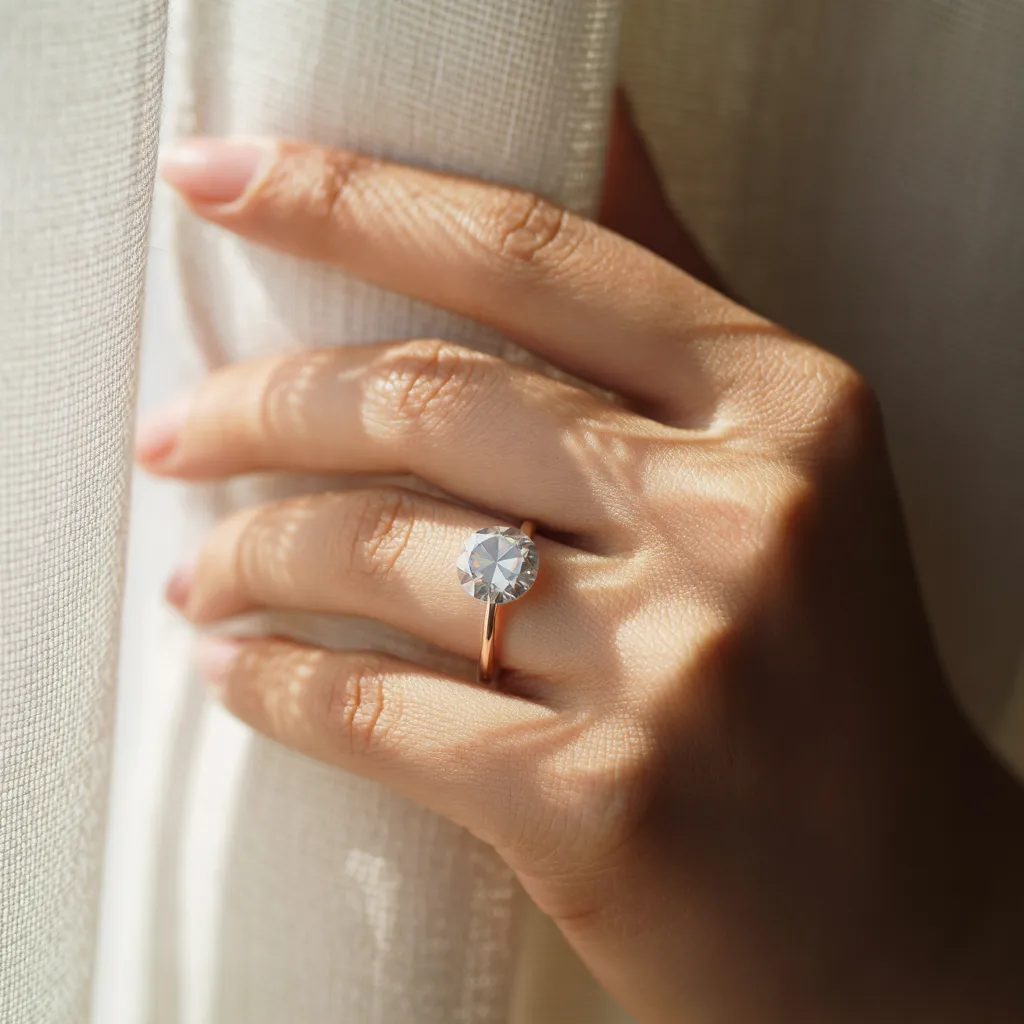
The Ethical Draw of Man-Made Diamonds
As shoppers more and more focus on ethical aspects when making purchases, synthetic diamonds have appeared as a compelling alternative to mined stones. These lab-created gems offer a solution to the ethical dilemmas linked to traditional diamond mining, which often involves ecological damage and infringements on human rights. The production of synthetic diamonds considerably minimizes the carbon footprint compared to their mined counterparts, resonating with environmentally conscious buyers. Furthermore, the transparency in sourcing and manufacturing processes promotes trust among consumers who desire to make responsible choices. By selecting synthetic diamonds, individuals match their values with their purchasing power, promoting sustainability and ethical labor practices. This rising awareness and commitment to ethical consumption add to the expanding popularity of synthetic diamond rings in the jewelry market.

Affordability: A Economical Choice
Man-made diamond rings present budget-friendly pricing alternatives that make them attainable for a larger demographic. This affordability not only permits an attractive choice at a reduced cost but also offers the possibility of maintaining value over the years. As buyers grow more financially aware, lab-created diamonds progressively surface as a sensible option in the jewelry industry.
Cost-Effective Price Options
While countless pairs look for exquisite engagement rings without overspending, economical pricing solutions for synthetic diamond rings have surfaced as a popular solution. These lab-created gems typically cost between 20% and 40% less than their natural counterparts, providing access to a larger array of budgets. The price advantage results from lower production costs and reduced mining expenses, letting consumers to invest in larger or higher-quality stones without financial strain. This affordability has made synthetic diamonds an attractive choice for millennials and first-time buyers who prioritize both aesthetics and budget. Consequently, the jewelry market has seen a shift, with more couples welcoming these cost-effective alternatives without sacrificing beauty or style.
Value Retention Potential
Value retention potential plays an essential role in the decision-making process for numerous consumers evaluating synthetic diamond rings. Unlike natural diamonds, which can vary significantly in resale value, synthetic diamonds generally feature more consistent pricing structures. This stability results from their controlled production and additional info the capability to manufacture them in various qualities and sizes. Therefore, consumers often perceive synthetic diamonds as a economical choice that provides similar aesthetic appeal without the premium price tag. Additionally, the lower initial investment can lead to less financial stress, enabling buyers to emphasize other aspects of their purchase, such as design or setting. In the end, the value retention potential of synthetic diamond rings contributes to their growing appeal in the jewelry market.
Technological Innovations in Diamond Creation
Innovations in technology have changed the process of diamond production, making it faster and more attainable than ever before. Techniques such as High Pressure High Temperature (HPHT) and Chemical Vapor Deposition (CVD) have developed as leading methods for manufacturing synthetic diamonds. HPHT simulates the natural conditions under which diamonds form, while CVD permits the growth of diamonds from a gas phase, providing greater control over quality and size. These innovations have significantly reduced creation costs and timeframes, enabling manufacturers to manufacture diamonds that are nearly indistinguishable from their mined counterparts. As a result, the quality of synthetic diamonds has improved, attracting consumers searching for both affordability and sustainability without diminishing their aesthetic appeal.
The Environmental Impact of Lab-Created Gems
The advent of synthetic diamonds has not only reshaped the jewelry market but also raised significant questions about their environmental impact. Unlike traditional diamond mining, which often results in significant ecological disruption, lab-created gems require significantly fewer natural resources. The process of creating synthetic diamonds typically uses less water and emits fewer greenhouse gases. Moreover, there is no risk of habitat destruction or pollution linked to mining operations. However, the energy consumption of production facilities must be evaluated, as it can vary considerably depending on the source of energy used. In summary, lab-created diamonds present a more sustainable alternative, appealing to environmentally conscious consumers seeking to lessen their ecological footprint while enjoying the beauty of fine jewelry.
Shifting Perceptions: Embracement in Modern Culture
As society increasingly prioritizes sustainability and ethical consumption, perceptions of synthetic diamond rings are evolving significantly. Initially viewed with skepticism and associated with diminished quality, these lab-created gems are now being celebrated for their environmental benefits and ethical sourcing. The stigma surrounding synthetic diamonds is diminishing as more consumers acknowledge their indistinguishable appearance from mined stones. This shift is largely propelled by younger generations who value transparency and responsibility in their purchasing decisions. Social media and celebrity endorsements further strengthen this acceptance, showcasing synthetic diamonds as a stylish and responsible choice. As a result, the jewelry market is experiencing a transformative shift, with synthetic rings building reputation and appeal among discerning consumers seeking both beauty and integrity in their purchases.
Customization and Variety in Designs
With an increasing acceptance of synthetic diamond rings, customers are now examining a wider range of customization options and design alternatives. In contrast to traditional diamonds, synthetic diamonds can be generated in numerous colors, sizes, and shapes, meeting individual preferences. This flexibility allows customers to create unique pieces that reflect distinctive style and significance. Jewelers are also embracing innovative settings and materials, adding alternative metals and intricate designs that enhance the overall aesthetic. Additionally, the ability to personalize engravings and other details further improves the customization experience. As a result, synthetic diamond rings not only satisfy the quest for beauty but also offer a canvas for self-expression, making them progressively appealing to a diverse audience.
Synthetic Diamonds and the Future of the Jewelry Sector
While the jewelry industry has historically been associated with natural diamonds, the emergence of synthetic diamonds signals a transformative shift toward ethical and sustainable practices. As consumers become more environmentally conscious, synthetic diamonds present a compelling alternative, created with a considerably lower carbon footprint. The future of synthetic diamonds in the jewelry industry looks promising, with innovations in technology elevating their quality and appeal. Retailers are steadily embracing these lab-grown stones, presenting diverse options that serve various tastes and budgets. Furthermore, as awareness of the ethical issues surrounding mined diamonds grows, synthetic diamonds are likely to gain further acceptance. This shift not only reflects changing consumer values but also signals a broader trend towards responsible luxury in the market.
FAQ
How Does the Quality of Synthetic Diamonds Compare to Natural Diamonds?
Man-made diamonds commonly demonstrate comparable quality to natural diamonds, showcasing identical physical and chemical properties. Both types can achieve similar clarity, cut, and color, though synthetic diamonds typically offer a more affordable price point without sacrificing quality.
Do Certain Brands Specialize in High-Quality Synthetic Diamonds?
Several brands, including Brilliant Earth, MiaDonna, and Clean Origin, are recognized for their high-quality synthetic diamonds. These companies emphasize ethical sourcing, outstanding craftsmanship, and favorable pricing, attracting consumers wanting alternatives to traditional natural diamonds.
What Certifications Are Available for Synthetic Diamonds?
Lab-created diamonds may be certified by multiple organizations, such as the Gemological Institute of America (GIA), International Gemological Institute (IGI), and the Gem Certification and Assurance Lab (GCAL), ensuring quality and authenticity for consumers.
Can Synthetic Diamonds Be Resized or Repaired Just Like Natural Diamonds?
Lab-grown diamonds can be resized or repaired in the same way as natural diamonds, as they possess the same physical and chemical characteristics. Jewelers typically employ standard methods for both types, ensuring structural integrity and quality during the process.
How Can Synthetic Diamonds Influence Traditional Diamond Mining Communities?
Lab-grown diamonds may adversely affect traditional diamond mining communities by decreasing demand for mined diamonds, potentially leading to employment reduction and economic deterioration in these communities. However, they may also encourage diversification and alternative economic prospects.